


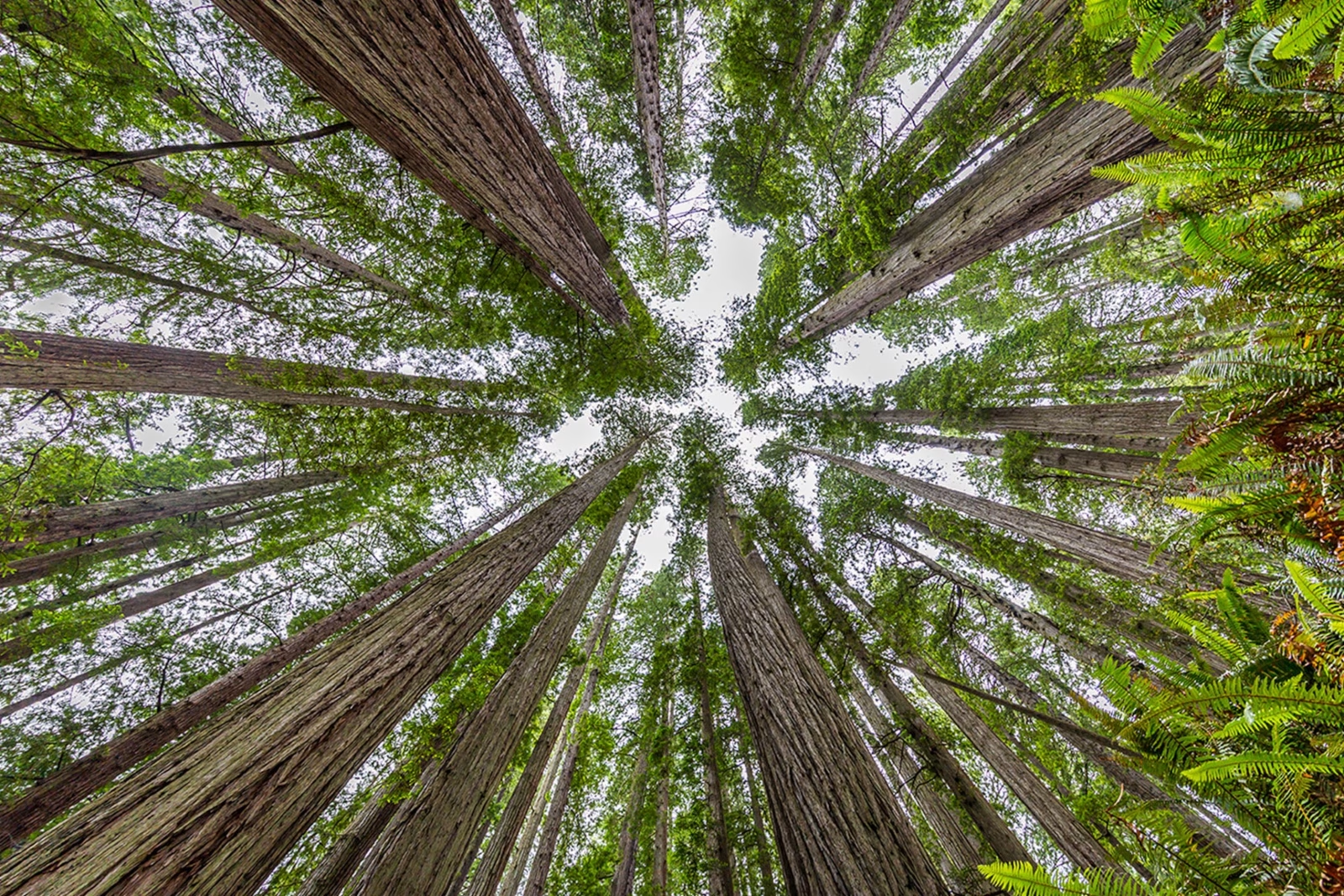

These national parks are known for their characteristic trees—several are even named after their signature tree species. Trees are vital parts of their ecosystems and are important contributors to the environment by providing habitats for wildlife, improving air quality, conserving water, and preventing soil erosion. Visit the forests in your local area, or plan a trip to marvel at these famous trees with the National Geographic Guide to the National Parks of the United States, 8th Edition.
Redwood National Park
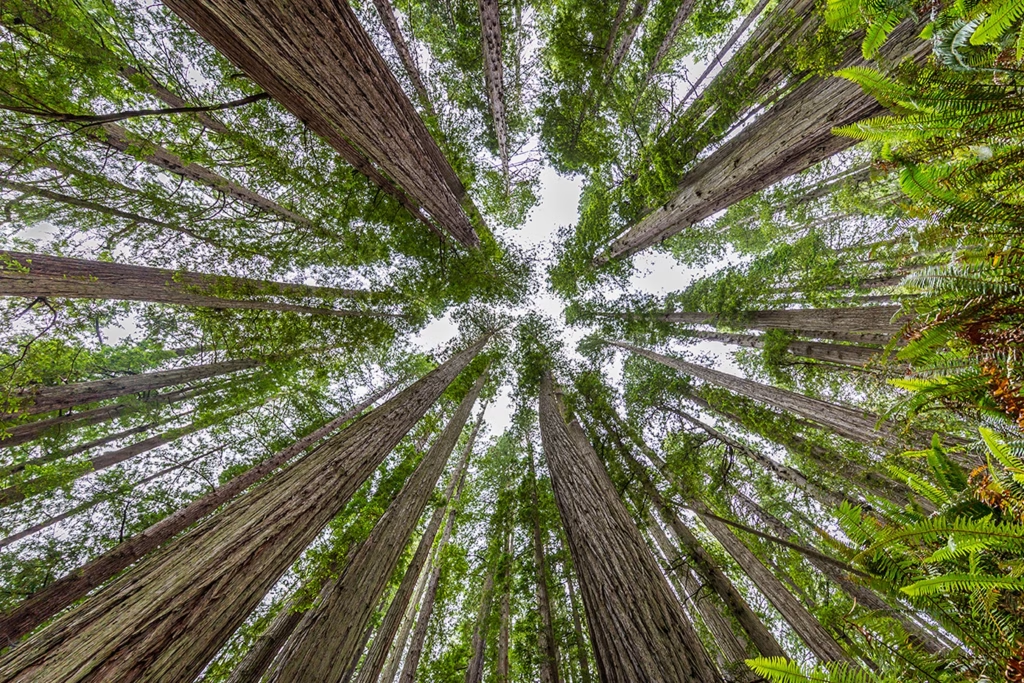
The tallest known trees in the world stand in the redwood forests of the Northern California coast. With many of the trees in their second millennium, they are some of the oldest as well. As clear-cut logging threatened the region in the 1960s, the discovery of the world’s tallest tree by a National Geographic Society team expedited the call for federal protection, and the park was officially established on October 2, 1968.
Joshua Tree National Park
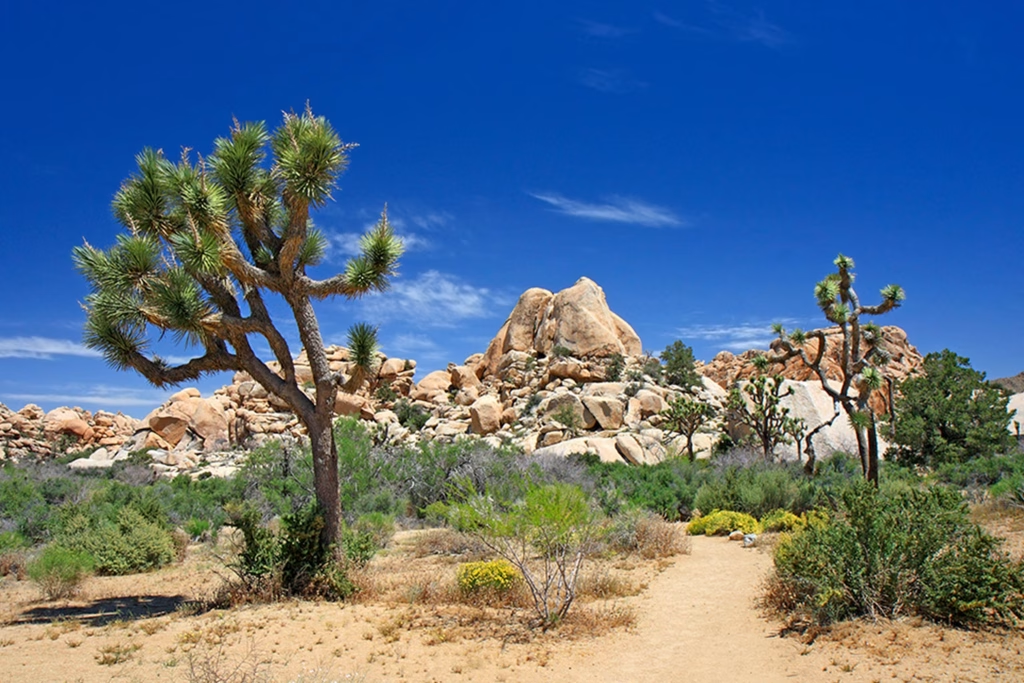
The signature spiny tree with the upturned branches accounts for the park’s name, but the enduring appeal of Joshua Tree National Park derives from its wide-open desert spaces spiced with arid mountain ranges and fantastic boulder formations. The Joshua trees dominate the higher elevations (between 2,500 and 4,000 feet) of the park’s northern half.
Sequoia National Park
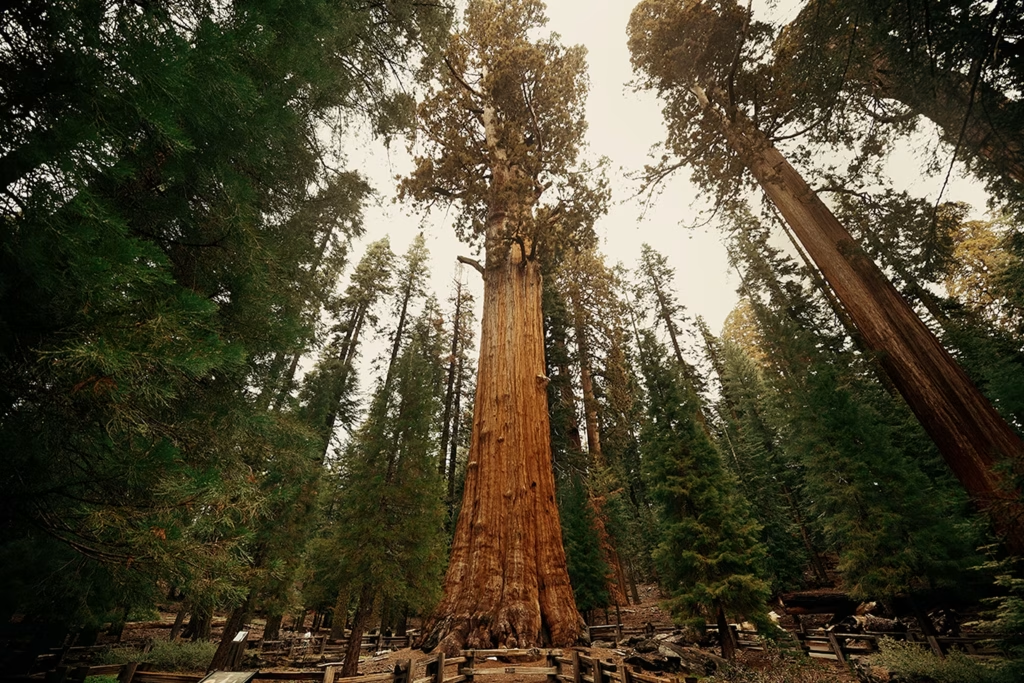
The adjoining Sequoia & Kings Canyon National Parks boast the largest tree on Earth (by volume), the highest mountain in the contiguous United States, and one of the deepest canyons in North America. Of all the giant trees in this forest, the all-star of the park is General Sherman, a staggering 274.9-foot-tall tree with a circumference of 102.6 feet at its base. It is estimated to weigh 1,385 tons.
Congaree National Park
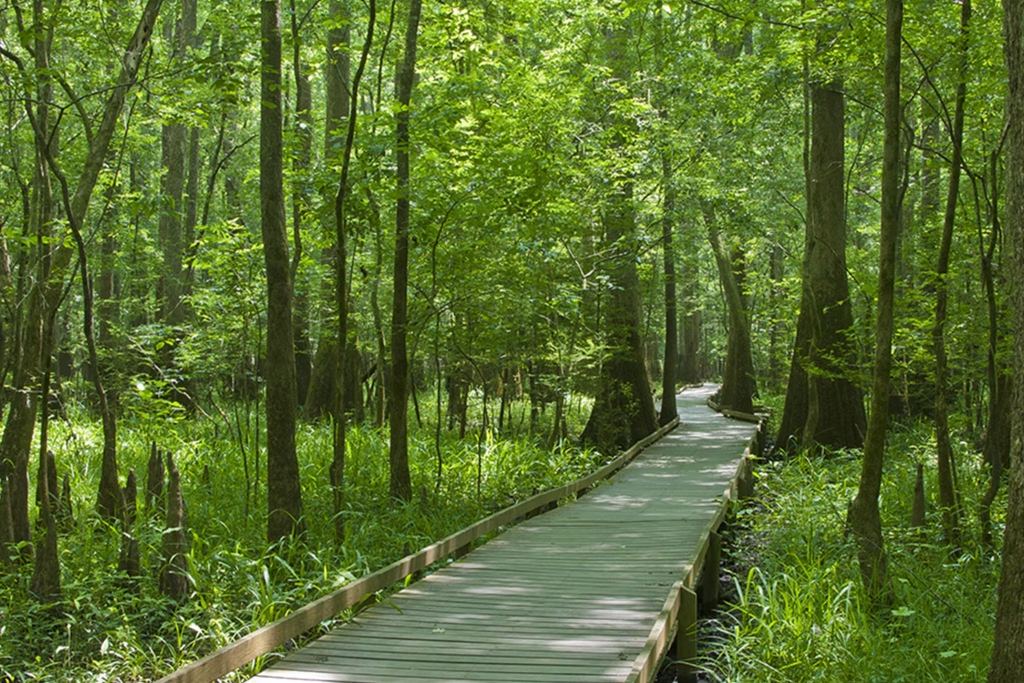
Nicknamed “Redwoods of the East” and “Home of Champions,” Congaree National Park in South Carolina is the largest intact old-growth bottomland hardwood forest in the United States. The park features an impressive 130-foot-high tree canopy with the tallest recorded standing sweet gum, cherrybark oak, American elm, swamp chestnut oak, overcup oak, common persimmon, and laurel oak trees.
Channel Islands National Park
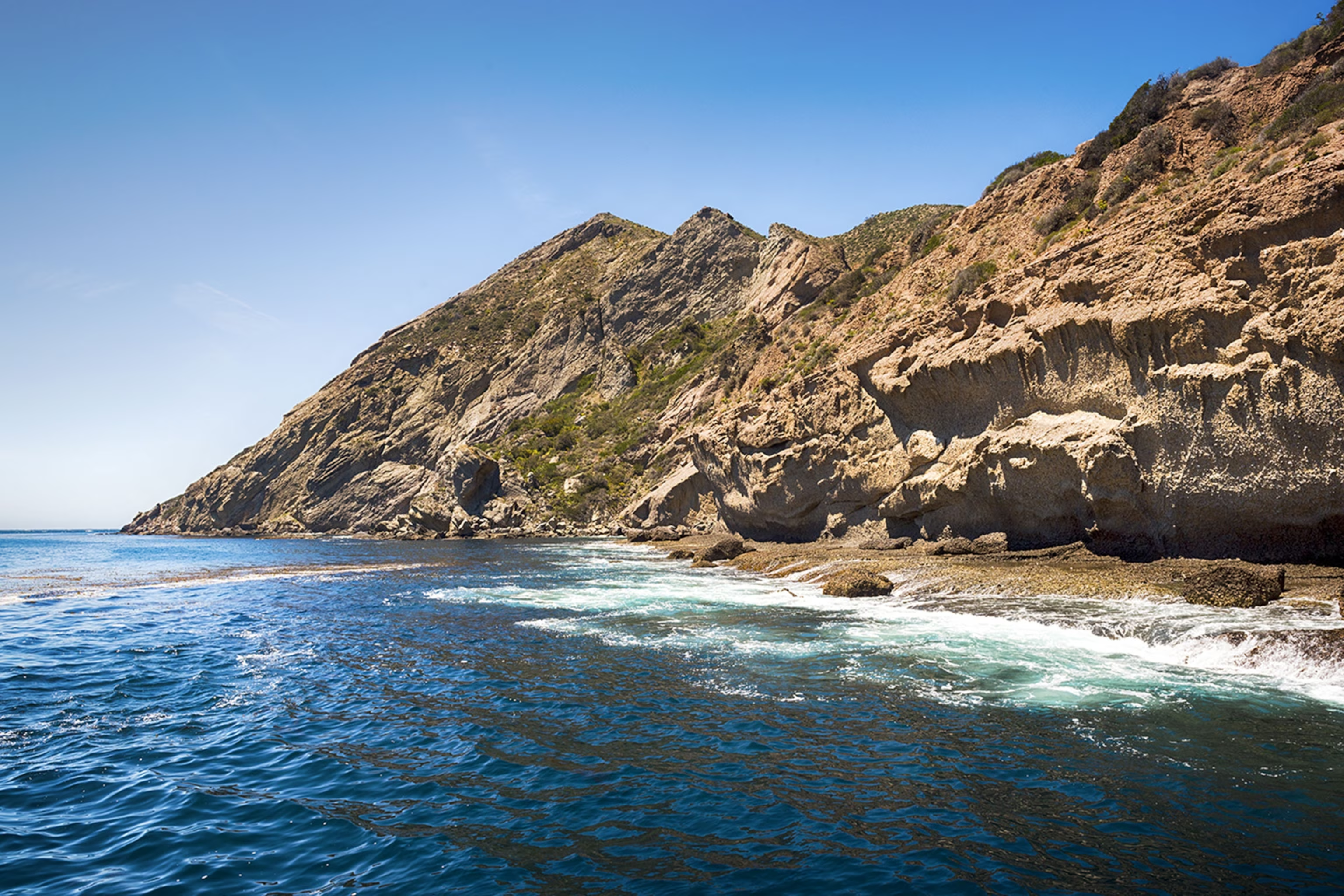
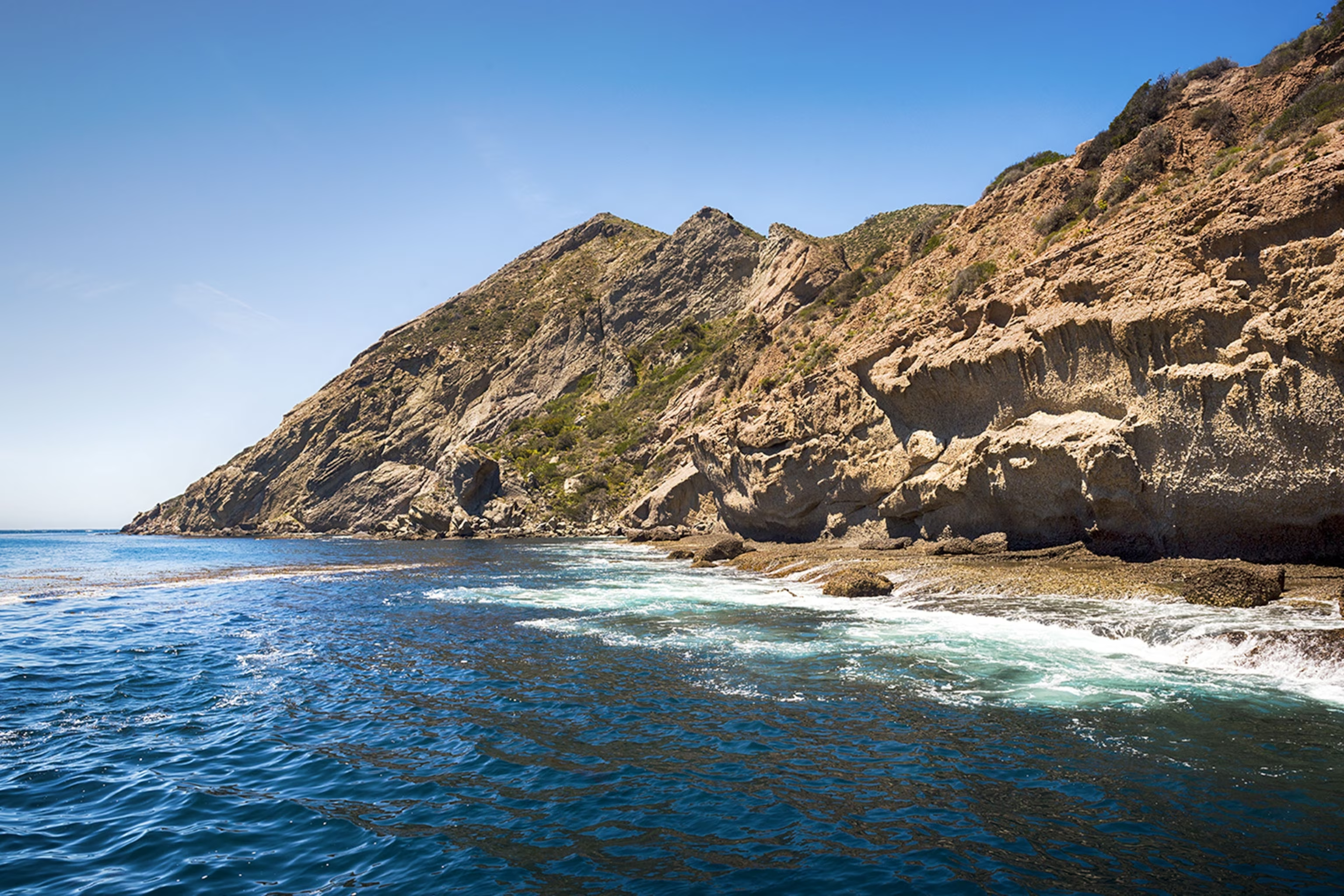
Found in only two places—on one of the park’s islands and in San Diego—the Torrey pine tree is one of the rarest native pines in the United States. The Santa Rosa Island grove is the last remnant of a Pleistocene forest that may have once blanketed the entire Pacific island.
Great Basin National Park
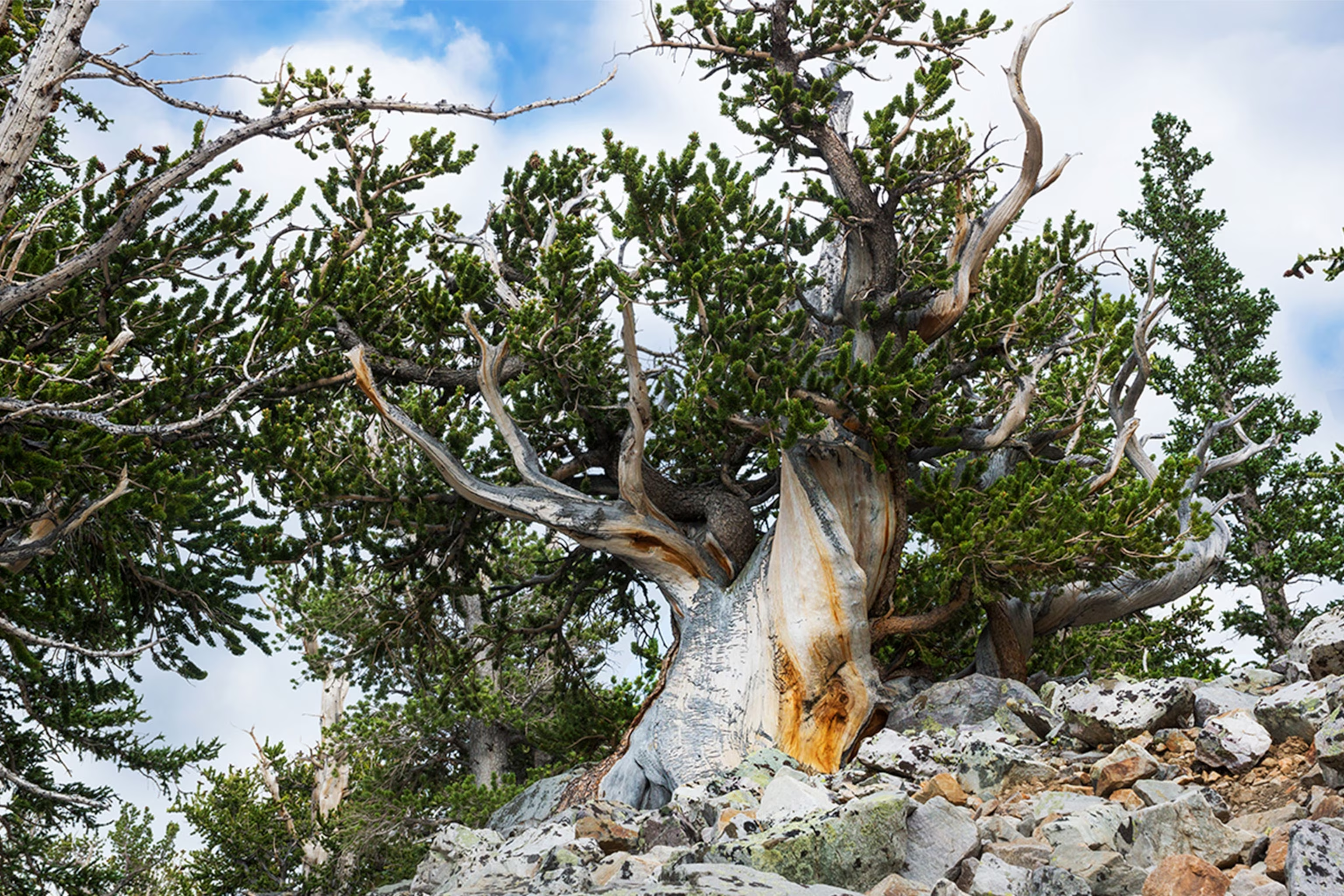
The wind-snarled bristlecone pines of Great Basin are among the oldest living organisms on our planet, dating back to the Bronze Age. Surviving where other trees can’t, their contorted limbs have been raked by storms for millennia. Wind-driven ice, freezing temperatures, rocky soil contribute to their dense insect-resistant wood and slow growth, making their trunks a visual record of climate history.
Olympic National Park
The planet’s greatest density of biomass (the total mass of organisms in a given area) is found in the temperate rain forests of Olympic National Park in Washington. The park’s huge conifers are some of the biggest living things on the planet, and the cathedral forests of Sitka spruce, western hemlock, big-leaf maples, and western red cedar provide habitats for the rich wildlife in the area, including the once endangered Roosevelt elk.